


Mulching is the practice of covering bare garden soil with a layer of organic or inorganic material. A proper 2–4 inch layer of mulch retains soil moisture, suppresses weed growth, moderates soil temperature, and — for organic mulches — feeds soil biology as it slowly breaks down. Compost and mulch work together as a complementary system: compost is incorporated into the soil to improve its structure and biology, while mulch is applied on top of the soil to protect and maintain those improvements throughout the growing season.
Why Mulch Matters: The Four Core Benefits
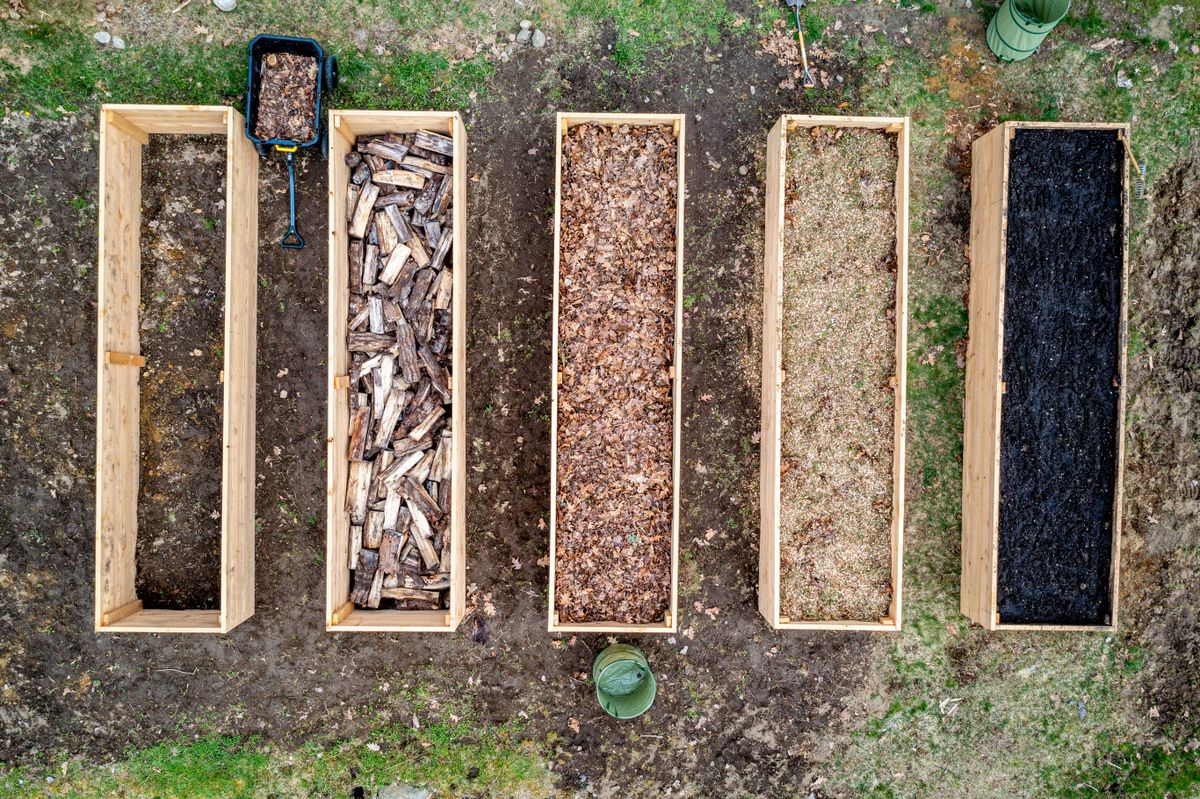
Bare soil is stressed soil. Exposed to direct sun, it heats rapidly, loses moisture through evaporation, and is vulnerable to erosion from rain impact. A layer of mulch changes all of that.
1. Moisture Retention
Mulch dramatically reduces evaporative water loss from soil. The USDA NRCS reports that a 3-inch layer of organic mulch can reduce soil moisture evaporation by 25–50%, translating to significantly less frequent watering. In practical terms, a mulched vegetable garden may need watering half as often as a bare-soil garden during dry summer periods.
2. Weed Suppression
Weed seeds require light to germinate. A sufficiently thick mulch layer (3–4 inches) blocks the light that annual weeds need and physically impedes seedling emergence. Organic mulch is not a perfect weed barrier — particularly against perennial weeds with established root systems — but it dramatically reduces annual weed pressure and makes any remaining weeds much easier to pull from the softened, moist soil below.
3. Temperature Regulation
Mulch insulates soil from temperature extremes. In summer, it can keep soil 10–15°F cooler than bare ground in direct sun — a significant benefit for shallow-rooted crops like lettuce and strawberries. In late fall, mulch slows the freeze-thaw cycles that can heave plant roots out of the ground. The Royal Horticultural Society (RHS) notes that mulching in late fall extends the productive growing season by weeks in temperate climates.
4. Feeding Soil Life as It Breaks Down
This benefit applies specifically to organic mulches and is the one most directly connected to composting. As organic mulch decomposes — slowly, from the bottom layer in contact with soil — it feeds the same biological community that finished compost builds. Earthworms, beetles, fungi, and bacteria process the mulch and incorporate its carbon and nutrients into the soil. Over one season, a 3-inch wood chip mulch can contribute meaningful organic matter to the top layer of soil.
Organic Mulch vs. Inorganic Mulch: Key Differences
Organic mulches are made from plant or animal materials that will break down over time. They include wood chips, straw, shredded leaves, grass clippings, pine needles, and compost itself used as a mulch layer. Their key advantage is the biological benefit of decomposition — they feed soil life and improve soil structure as they break down.
Inorganic mulches are manufactured or mineral materials that do not decompose — primarily plastic sheeting, landscape fabric, rubber mulch, and gravel. They can be highly effective for specific purposes (plastic mulch for warming soil in early spring; landscape fabric for permanent beds) but contribute nothing to soil biology and can in some cases impede water and air movement into the soil.
For most vegetable and perennial garden applications, organic mulches are preferred for their compounding benefits over time. Inorganic mulches have specific niches where they excel.
Types of Organic Mulch and Their Best Uses
Wood Chips
One of the most widely recommended and studied organic mulches. Chips from a mix of wood and bark break down slowly (1–3 years for larger chips), providing long-lasting weed suppression and moisture retention. As they decompose, they feed soil fungi — particularly beneficial for trees, shrubs, and perennials, which rely heavily on fungal networks. Research from Washington State University (cited by the Rodale Institute) demonstrated that wood chip mulch dramatically improved tree health, soil structure, and biological activity over 3-year trials.
Best for: Trees, shrubs, perennial beds, pathways between vegetable beds Depth: 3–4 inches Note: Do not incorporate wood chips into the soil — they tie up nitrogen during decomposition. Use them on top only.
Straw (Not Hay)
Straw is the stem residue from grain crops (wheat, barley, oat) after the seed heads have been removed. It is relatively weed-seed-free, lightweight, easy to apply, and breaks down in one season — improving soil in the process. Hay, by contrast, is cut grass harvested for animal feed — it contains seed heads and will introduce weeds.
Best for: Vegetable beds, particularly tomatoes, potatoes, strawberries Depth: 3–4 inches Note: Always use straw, not hay.
Shredded Leaves (Leaf Mold)
Shredded fallen leaves are one of the most freely available and effective mulches. Fresh shredded leaves can be applied directly; matured, partially composted leaf mold is even better and provides immediate biological benefits. Leaves from most deciduous trees are appropriate; avoid black walnut leaves (they contain juglone, which is allelopathic to some vegetables).
Best for: Perennial beds, vegetable gardens, around trees Depth: 2–3 inches (shredded); 3–4 inches (whole leaves, but they can mat — shredding is better)
Grass Clippings
Free, readily available, and high in nitrogen — grass clippings decompose rapidly, feeding soil biology and releasing nutrients. However, they mat easily when fresh, creating a barrier to water infiltration. The solution is to dry clippings for 24–48 hours before applying, or to mix them with other mulch materials.
Best for: Vegetable beds, as a thin supplement layer under other mulch Depth: 1–2 inches maximum; thicker layers mat and can go anaerobic Note: Do not use clippings from lawns treated with herbicides within the past 2–3 mowing cycles.
Pine Needles
Effective, attractive, and slow to decompose. Pine needles have a reputation for significantly acidifying soil, but research shows the effect is modest — they may lower pH by 0.5 points over time, beneficial for blueberries and other acid-lovers but not a problem for most other crops.
Best for: Blueberries, azaleas, rhododendrons, strawberries Depth: 2–3 inches
Compost Used as Mulch
Finished compost can be applied as a surface mulch layer and is one of the most beneficial organic mulches available. Unlike other mulches, it begins feeding the soil almost immediately rather than requiring breakdown time. Applied at 1–2 inches on top of soil, compost-as-mulch simultaneously suppresses weeds, retains moisture, and delivers nutrients directly to the root zone.
Best for: Vegetable beds, containers, any situation where rapid biological benefit is the priority Depth: 1–2 inches
Types of Inorganic Mulch and When to Use Them
Black Plastic Sheeting
Warms soil effectively in early spring — can raise soil temperature by 5–10°F, accelerating planting of warm-season crops like melons and peppers by 2–3 weeks. Excellent weed suppression. Drawback: impedes water and air infiltration; must be removed at season's end; contributes to microplastic accumulation if not disposed of carefully.
Best for: Warming soil for warm-season crops early in the season; strawberry production
Landscape Fabric (Weed Barrier)
Permeable to water and air, long-lasting (5–10 years), effective at suppressing weeds. However, over time, organic debris accumulates on top and weed seeds germinate in it — negating the benefit. Also difficult to remove once installed.
Best for: Permanent pathways, under gravel, around established shrubs and trees Not recommended for: Annual vegetable beds or anywhere frequent soil access is needed
Gravel and Stone
Excellent for pathways, drainage areas, and rock gardens. Warms soil by day and radiates heat at night — beneficial in cool climates. No biological benefit.
How to Apply Mulch: Step-by-Step
Prepare the bed first. Remove any existing weeds by hand. If applying in spring, work finished compost into the top 6 inches of soil before mulching.
Water the soil. Apply mulch to moist soil, not dry. Mulch applied to dry soil insulates the dryness in and makes it harder for rainfall to penetrate.
Apply at the right depth. For most organic mulches: 2–4 inches. Less than 2 inches is insufficient for weed suppression and moisture retention. More than 4 inches can restrict airflow to roots and encourage slug habitat.
Leave a gap around plant stems. Keep mulch 2–3 inches away from the base of all plants, particularly woody stems and tree trunks. Mulch piled against stems traps moisture and creates ideal conditions for crown rot, rodent nesting, and pest harboring. This "mulch volcano" is one of the most common and damaging mulching errors.
Extend mulch to the drip line. For trees and shrubs, the area of most active root growth is at the drip line (the outermost reach of the canopy), not right next to the trunk. Mulch the full drip-line circle for maximum benefit.
Replenish as needed. Organic mulches decompose over the season. Add material to maintain depth, or let it incorporate and start fresh the following spring.
How Compost and Mulch Work Together
Compost and mulch are complementary tools in a complete soil management strategy, and understanding their different roles makes each one more effective.
Compost goes into the soil. Its role is to feed soil biology, improve soil structure (aggregation, pore space, water holding), and provide a complete spectrum of nutrients that cycle through microbial activity over the growing season. Work 2–4 inches of finished compost into the top 6 inches of soil each season.
Mulch goes on top of the soil. Its role is to protect the biological community you have built with compost — preventing soil from drying out, protecting against temperature extremes, and suppressing weeds that would compete with your crops. As organic mulch breaks down, it feeds the same biological community, gradually becoming compost itself.
Together: compost-amended soil beneath, organic mulch on top, creates a self-reinforcing cycle. The mulch feeds the soil biology that compost established. The active biological community processes mulch faster, creating more habitat, more nutrient cycling, and more stable soil structure over time.
This integrated approach — compost in, mulch on top — is what the USDA NRCS describes as the foundation of regenerative soil management for home gardens.
Best Mulch by Crop Type
Tomatoes
Recommended Mulch
Straw or compost
Depth
3–4 inches
Notes
Reduces blight splash, keeps roots cool and moist
Peppers
Recommended Mulch
Black plastic (early) then straw
Depth
3 inches
Notes
Plastic warms soil in spring; straw for summer moisture
Cucumbers / Zucchini
Recommended Mulch
Straw or shredded leaves
Depth
3–4 inches
Notes
Keeps soil consistently moist for rapid growth
Potatoes
Recommended Mulch
Straw (deep)
Depth
4–6 inches
Notes
Can hill potatoes using straw; makes harvest easier
Lettuce / Salad Greens
Recommended Mulch
Compost or fine shredded leaves
Depth
1–2 inches
Notes
Light mulch; these need cool, moist soil
Strawberries
Recommended Mulch
Straw or pine needles
Depth
2–3 inches
Notes
Classic combination; keeps fruit clean and soil cool
Blueberries
Recommended Mulch
Pine needles or wood chips
Depth
3–4 inches
Notes
Supports slight acidification and fungal communities
Trees and Shrubs
Recommended Mulch
Wood chips
Depth
3–4 inches
Notes
Feeds fungal networks; keep clear of trunk
Perennial Beds
Recommended Mulch
Shredded leaves or wood chips
Depth
3–4 inches
Notes
Long-lasting; feeds perennial root systems
Raised Beds (all veg)
Recommended Mulch
Compost or straw
Depth
2–3 inches
Notes
Compost-as-mulch maximizes biological benefit
Common Mulching Mistakes to Avoid
- The "mulch volcano": Piling mulch against tree trunks or plant stems. Always leave a 2–3 inch gap.
- Using hay instead of straw: Hay contains seed heads. You will be creating a weed nursery.
- Applying too little: Less than 2 inches rarely suppresses weeds effectively. Commit to the full 3–4 inch depth.
- Applying to dry soil: Water first, then mulch.
- Using fresh wood chips near vegetable roots: Fresh (green) wood chips can tie up nitrogen during rapid decomposition. Use aged or composted wood chips near annual vegetables, or apply to pathways only.
- Using grass clippings too thickly: More than 2 inches of grass clippings mats, goes anaerobic, and can create a smelly, impermeable layer.
- Leaving large gaps in coverage: Bare spots allow weeds and moisture loss. Apply mulch continuously across the full bed.
Practical Takeaways
- Apply 2–4 inches of organic mulch to all garden beds each growing season
- Compost goes into the soil; mulch goes on top — they are partners, not substitutes
- Straw and shredded leaves are the best all-purpose mulches for vegetable gardens; wood chips for trees and perennials
- Always leave 2–3 inches clear around plant stems and tree trunks
- Water the soil before applying mulch, and replenish mulch depth as it decomposes
- The best mulch for maximum biological benefit is compost used as a surface layer — it feeds your soil from the moment you apply it
FAQ
Q: Can I use mulch from my compost bin? A: Yes — finished compost used as a surface mulch layer is one of the best options available. It suppresses weeds, retains moisture, and feeds soil biology more immediately than any other organic mulch. Apply 1–2 inches as a mulch layer on top of soil.
Q: Does mulch attract pests and rodents? A: Dense mulch can provide shelter for slugs and, in some cases, rodents seeking winter nesting material. Maintain the 2–3 inch gap around plant bases, and avoid piling mulch against building foundations. In areas with known rodent pressure, use finer-textured mulches (straw, compost) rather than large wood chips.
Q: How often should I replace or replenish mulch? A: Check mulch depth in mid-summer and again in fall. Most organic mulches break down enough to need replenishment once per season. In hot, humid climates, wood chips may need refreshing every 1–2 years; straw typically decomposes in a single season.
Q: Is it okay to mulch in summer, or only in spring? A: Mulching is beneficial at any time during the growing season. Summer mulching is particularly valuable for moisture retention during heat and drought. The only time to avoid fresh mulch application is during very wet, cool conditions when slugs are already a serious problem.
Q: What's the difference between mulch and compost for the garden? A: Compost is a finished, stabilized organic amendment incorporated into the soil — its primary role is to feed soil biology and improve soil structure from within. Mulch is a surface layer — its primary roles are protection (moisture, temperature, weeds) and, for organic mulches, slow feeding of the soil as it decomposes. Both are necessary for a well-managed garden; neither substitutes for the other.
References
- Brady, N.C., & Weil, R.R. (2008). The Nature and Properties of Soils (14th ed.). Pearson.
- Cornell Composting. Mulching and Soil Organic Matter. Retrieved from https://compost.css.cornell.edu/
- Cooperband, L. (2002). The Art and Science of Composting. UW-Madison Extension. Retrieved from https://extension.illinois.edu/
- Rodale Institute. Organic Mulching Guide. Retrieved from https://rodaleinstitute.org/
- Royal Horticultural Society (RHS). Mulching. Retrieved from https://www.rhs.org.uk/
- UC Cooperative Extension. Mulching the Garden. Retrieved from https://ucanr.edu/
- University of Illinois Extension. Mulching for the Home Landscape. Retrieved from https://extension.illinois.edu/
- USDA NRCS. Soil Health and Organic Matter. Retrieved from https://www.nrcs.usda.gov/
Author bio: [Reencle Content Team — passionate about sustainable food systems, soil health, and making composting accessible for every household. Content reviewed by horticultural and environmental science advisors.]
Feed your garden with compost you made yourself
Reencle turns your kitchen scraps into rich, living compost in 30 days — no outdoor bin, no smell, no effort. Real compost that makes a real difference for your plants.
Explore Reencle →

