







How to Prevent Maggots in Your Trash Can (Never See Them Again) - Part 2

Dealing with maggots in your trash can is an experience you don't want to repeat. The sight of them crawling around can give anyone the chills. But here's some good news: maggots are easy to prevent. All it takes is understanding why they appear and making a few simple changes to how you handle your trash.
Why Do Maggots Show Up in the First Place?
Maggots don't just appear for no reason—they go through a specific lifecycle, and the right conditions trigger it. Your trash can, especially in the warm summer months, provides the perfect environment for them.
Here's how it happens:
1. A fly lands on your trash (this takes about 2 seconds).
2. She lays 75-150 eggs on the moist, rotting food.
3. The eggs hatch within 8-20 hours.
4. Maggots start feeding for 3 to 5 days.
5. They crawl away and transform into flies.
6. The new flies return to lay more eggs.
This whole cycle takes just 7-10 days, especially in the heat. What begins with a single fly can quickly turn into hundreds.
Maggots thrive when they have these three things:
Moisture: Decomposing food releases liquid.
Warmth: Summer heat speeds up everything.
Organic matter: Meat, fish, dairy, fruits, and vegetables are their favorite meals.
If you live in a warm climate, your trash can in the summer months is basically a maggot paradise.
Simple Changes to Prevent Maggots for Good
Now that you understand why maggots love your trash can, it’s time to take action. Here are some easy steps to make sure you never have to deal with them again:
1. Double-bag meat scraps.
Wrap up any meat or fish scraps tightly before tossing them in the trash. This helps seal in the odor and moisture, making it less likely for flies to be attracted to them.
2. Take your trash out every 1-2 days in summer.
Flies need time to lay their eggs, so the more often you take out your trash, the less chance they have to do so. In the summer, emptying it every 1-2 days makes a big difference.
3. Keep your trash can lid sealed and in the shade.
A tight-fitting lid is a must. If flies can't get in, they can't lay eggs. Also, placing your trash can in a shaded spot will help keep it cooler, making it less inviting to flies.
By following these steps, you can say goodbye to maggots for good. It’s simple, effective, and keeps your trash can clean and fly-free.
Prevention Basics
These simple changes can stop most maggot problems before they even begin:
1. Double-bag meat and fish.
Meat and fish scraps are the biggest attractants for flies. Wrap them in newspaper and seal them in a bag before tossing them in the trash. This keeps the smell contained and prevents flies from laying eggs.
2. Take out the trash more often in summer.
In the hot months, don’t let food waste sit around for more than 1-2 days. The longer it sits, the more likely flies will find it.
3. Keep the lid sealed.
If your trash can’s lid doesn’t fit well, flies can get in easily. Replacing a broken or loose lid is a quick fix—usually costing around $20. This small investment can save you from dealing with maggots later.
4. Rinse containers before trashing.
That yogurt cup with leftover residue? It’s a fly magnet. A quick rinse under the faucet (just 3 seconds) can stop it from attracting flies.
5. Keep cans in the shade.
Heat speeds up decomposition, making your trash can more appealing to flies. A shaded trash can will be less likely to attract maggots than one baking in the sun.
Advanced Prevention Tips
For those who want extra peace of mind, here are a few more measures to ensure a fly-free trash can:
1. Freeze meat scraps until trash day.
This is a game-changer. Keep a bag of meat scraps in your freezer. Add it to your outdoor trash just before pickup. Freezing the scraps keeps them from decomposing and attracting flies.
2. Use deodorizers.
Flies are drawn to food waste by smell, so masking that scent can keep them away. You can use commercial products like Bin Buddy, or even make your own by placing cotton balls soaked in essential oils inside your trash can.
3. Monthly summer cleaning.
A quick rinse with soapy water once a month prevents food residue from building up inside your trash can. Spend five minutes cleaning it, and you won’t have to deal with hours of maggot removal later.
The Root Cause: A Different Approach
Here’s something we’ve noticed: some households deal with maggots every summer, while others don’t. The difference isn’t about cleanliness it’s about how they handle food waste.
The core issue: organic waste in a trash can will always decompose, smell, and attract flies. The tips above help manage the problem, but you’re still fighting nature.
Households that rarely have maggots typically do one of the following:
1. Compost their scraps: Food waste goes into a compost system instead of the trash. No food in the trash means no attraction for flies.
2. Use a garbage disposal: Scraps go down the drain immediately, so nothing sits around.
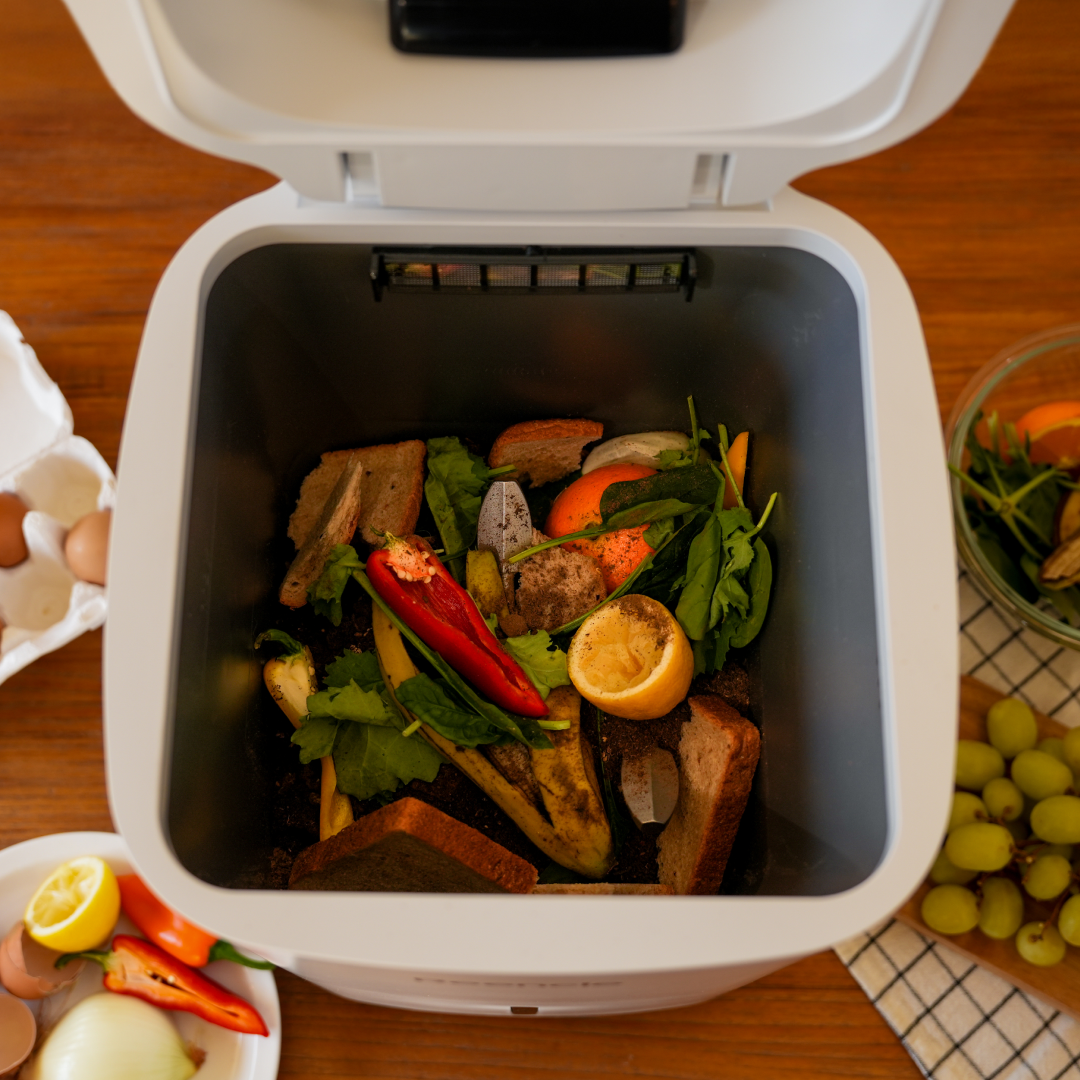
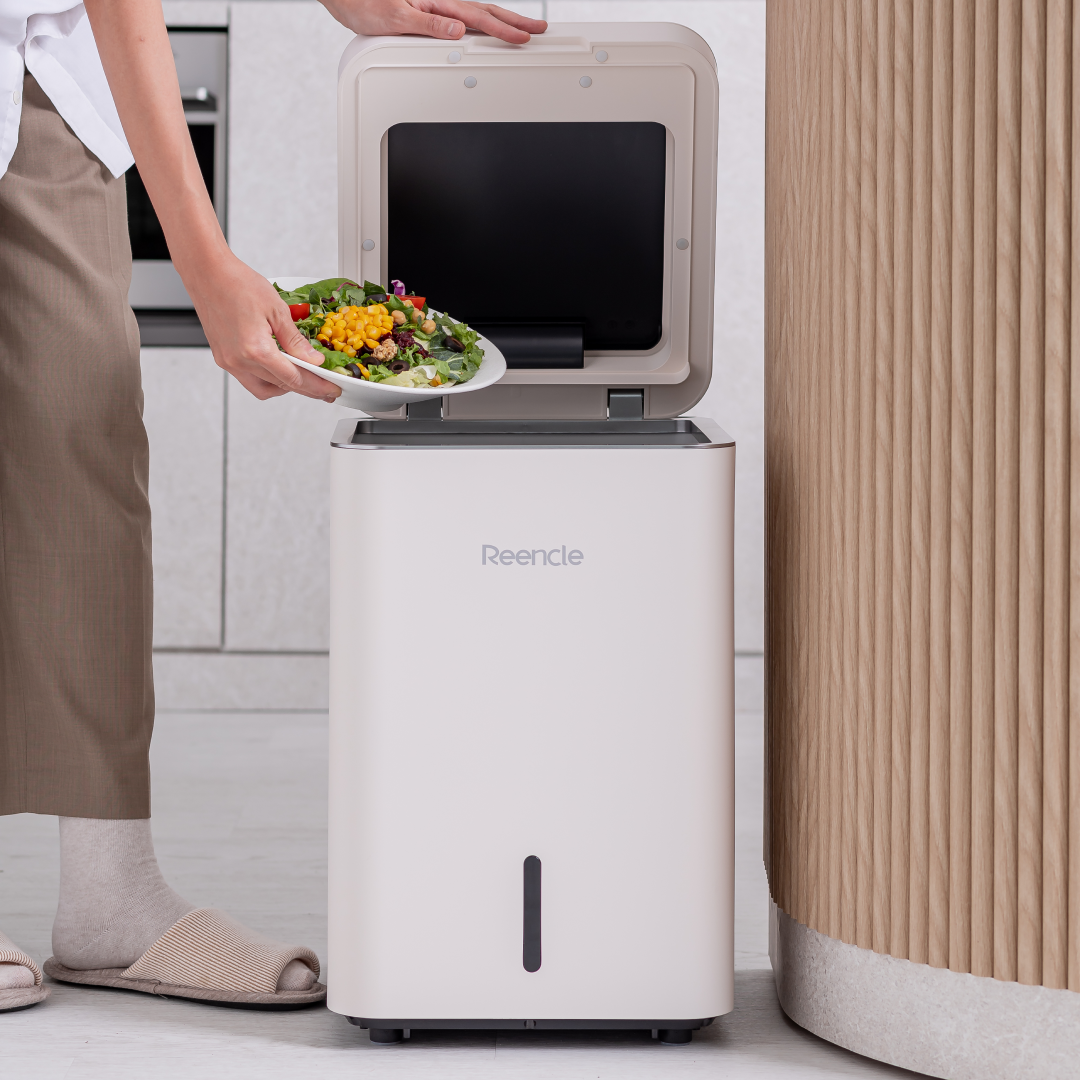
3. Use an electric composter: These indoor devices break down food waste quickly, without any smell or waiting.
4. If maggots are a recurring problem for you, it might be worth considering a complete system change, rather than just managing the symptoms.
Already Dealing with Maggots?
If you're already battling a maggot infestation, don't panic! Check out our step-by-step guide on How to Get Rid of Maggots in Your Trash Can for a quick and effective solution.

How to Prevent Maggots
Tired of maggots every summer? Learn why they appear and the simple changes that prevent them for good—from quick fixes to permanent solutions.

How to Get Rid of Maggots in Your Trash Can Part 1
Found maggots in your trash? Here’s how to kill them instantly using things you already have at home, like boiling water, salt, vinegar, and more.