







What Is Compost? (And Why It's Better Than Fertilizer)

Everyone knows compost is good for gardens, but what actually is it?
Is it just dirt? Rotted food? A natural fertilizer? Let’s clear this up because understanding what compost is, and isn’t, explains why gardeners call it “black gold.”
Compost, Defined Simply
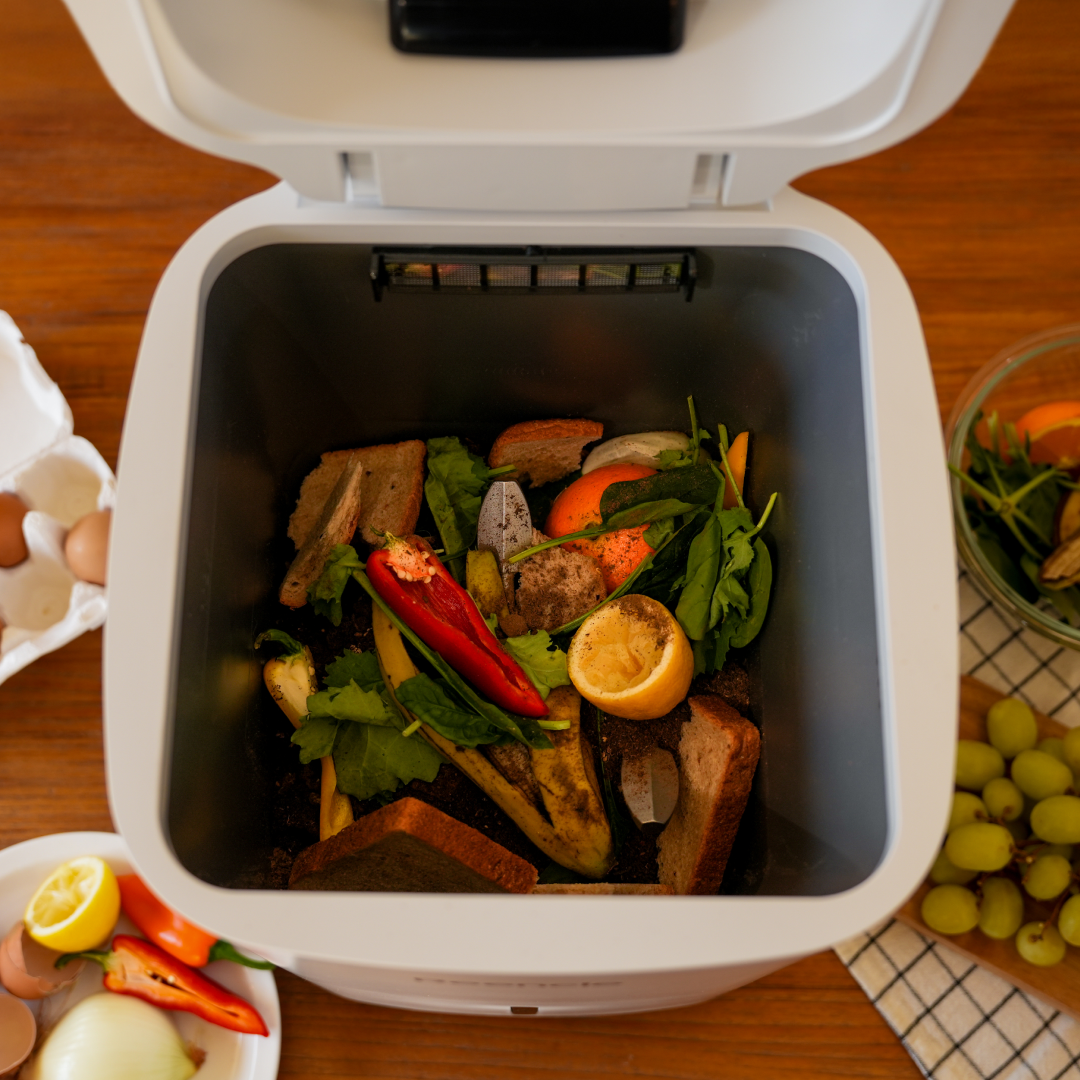
Compost is organic matter that has fully decomposed into a stable, soil-like material. It begins as familiar items: banana peels, leaves, coffee grounds, and cardboard. Over time, with the help of bacteria, fungi, and other organisms, it transforms into a dark, crumbly, earthy-smelling substance. This end product is sometimes called humus (not the chickpea dip—that’s hummus).
What Makes Compost Special
Compost isn’t just "dead stuff." It's teeming with beneficial microorganisms that continue working in your soil. When you add compost to your garden:
- Bacteria and fungi colonize the soil.
- These organisms break down nutrients into forms plants can absorb.
- They create a healthy soil food web.
- They improve soil structure at a microscopic level.
This is fundamentally different from adding synthetic fertilizer, which feeds plants directly but does nothing for soil health.
Compost vs. Fertilizer: The Real Difference
People often confuse compost with fertilizer, but they serve very different purposes.
Synthetic Fertilizer:
- Provides specific nutrients (usually N-P-K: nitrogen, phosphorus, potassium).
- Works quickly: plants absorb it immediately.
- Doesn’t improve soil structure.
- Can build up salt content in the soil over time.
- Requires repeated application.
Compost:
- Provides a broad range of nutrients, plus trace minerals.
- Releases nutrients slowly as it continues breaking down.
- Dramatically improves soil structure.
- Feeds beneficial soil organisms.
- Builds long-term soil health.
Think of it this way: fertilizer is like giving your plants a vitamin shot. Compost is like improving their entire living environment.
Why Gardeners Call It "Black Gold"
The nickname “black gold” isn’t an exaggeration. Compost offers a range of benefits that make it an invaluable resource for gardeners. Here’s why:
- Improves drainage in clay soil: Clay soil can become waterlogged, but when you add compost, it creates air pockets and adds organic matter that helps water flow through more easily.
- Provides slow-release nutrition: Unlike synthetic fertilizers that give a quick burst of nutrients, compost releases nutrients gradually over months, providing steady nourishment to your plants.
- Supports beneficial organisms: Compost creates a thriving environment for earthworms, beneficial bacteria, and mycorrhizal fungi, all of which work together to help your plants grow strong.
- Suppresses plant diseases: A healthy soil microbiome can fight off harmful pathogens. Studies show that compost-amended soil has fewer disease problems, keeping your garden healthy and thriving.
Compost does all of this for your garden, and best of all, you can make it for free from items you'd normally throw away. It's no wonder gardeners call it "black gold."
What Finished Compost Looks Like
When compost is done properly, it should have the following characteristics:
- Look: Dark, rich, soil-like appearance, with no recognizable pieces of the original materials. The dark color indicates that the organic matter has broken down completely and is now a fully integrated part of the soil structure.
- Feel: Crumbly, light texture that’s easy to work with. Good compost should be light in weight and break apart easily in your hands, but it should not feel dense or heavy like wet clay.
- Smell: Earthy, like the smell of a forest floor after rain. The pleasant, rich aroma signals that the composting process has created a healthy, balanced environment for beneficial microorganisms.
- Temperature: Cool to the touch, even on warm days. When compost is finished, the heat generated during decomposition is dissipated, leaving the compost at a comfortable, neutral temperature.
- No recognizable original ingredients: If you can still see banana peels, eggshells, or other items, the compost is not finished yet. Properly composted material should no longer resemble its original state; everything should have broken down into small, uniform particles.
Properly composted material will no longer resemble its original state. It transforms into a nutrient-rich, soil-like substance ready to nourish your garden, improving soil structure and feeding plants over the long term.
Types of Compost
Not all compost is created equal, and the type you choose will depend on your gardening needs and available resources. Here are the most common types of compost, each offering unique benefits to different types of gardens:
Commercial Compost:
This type of compost is produced on a larger scale, often by municipalities or private companies, using organic materials like yard waste, wood chips, and agricultural byproducts. Commercial compost tends to be more consistent in quality, as it's carefully processed and monitored for optimal decomposition. While it may lack the variety of a homemade compost pile, it can still provide excellent results when used to improve garden soil.
Backyard Compost:
Made from yard waste and kitchen scraps, this type of compost is an excellent choice for smaller, home gardens. You can easily make it yourself by collecting organic waste from your yard and kitchen, including fruit and vegetable scraps, grass clippings, leaves, and coffee grounds. The quality of backyard compost varies depending on what materials you include and how carefully you manage it, but with proper care, it can provide your garden with a steady supply of nutrients.
Vermicompost (Worm Castings):
Vermicompost, or worm castings, is made by earthworms as they break down organic matter. It’s incredibly nutrient-dense, packed with essential minerals, enzymes, and microorganisms that enhance plant growth. Vermicompost is perfect for potting mixes, seed starting, and any application where you want to give plants an extra nutrient boost. Worm castings can be especially beneficial for delicate plants and seedlings because they provide gentle, slow-release nutrients.
Mushroom Compost:
Mushroom compost is the spent growing medium used by mushroom farms. It’s made from a mix of organic materials such as straw, manure, and other organic waste. While it’s great for gardens, it can sometimes be high in salts, which can harm sensitive plants if used in excess. If you’re using mushroom compost, it’s a good idea to mix it with other compost or soil to dilute the salt content and ensure healthy plant growth.
Organic Compost:
Certified organic compost is made from inputs that are approved for organic farming. If you’re growing certified organic produce, organic compost is essential for maintaining the integrity of your garden. It contains no synthetic chemicals or pesticides, making it the safest choice for organic gardening. Organic compost can be made from a variety of natural sources, including plant material, animal manure, and other organic waste.
How to Use Compost in Your Garden
Once you’ve got your hands on some quality compost, you’ll want to know the best ways to use it in your garden to maximize its benefits. Whether you’re starting a new garden, enhancing an existing one, or improving your lawn, here’s how to incorporate compost for optimal results:
For New Garden Beds:
Mix 2-4 inches of compost into the top 6-8 inches of soil before planting. This provides a nutrient-rich foundation that supports strong, healthy plant growth. Mixing the compost into the soil allows the nutrients to spread evenly throughout the root zone, improving drainage, soil structure, and nutrient availability. If you're starting a new garden bed, this is a great first step for creating a thriving ecosystem.
For Established Gardens:
Top-dress with 1-2 inches of compost each spring. This is a simple and effective way to continue enriching the soil year after year. The compost will naturally work its way into the soil through watering and the actions of soil organisms like earthworms. Topdressing doesn’t disturb existing plants, making it a low-effort way to keep your soil healthy and productive. It also helps reduce the need for synthetic fertilizers.
For Lawns:
Spread a thin layer (about 1/4 inch) of compost over the grass in spring or fall. This process, called "topdressing," helps improve soil structure, promote healthy root growth, and provide the lawn with essential nutrients. Topdressing also helps improve soil moisture retention and reduces compaction, making it easier for grass roots to access water and nutrients.
For Potted Plants:
Mix compost into your potting soil at a 25-30% ratio. This will improve the nutrient content of the soil and enhance drainage, ensuring that your plants have the right balance of air, water, and nutrients. Compost is especially helpful in container gardening, where plants may deplete the soil’s nutrients faster than in-ground plants. Adding compost helps prevent nutrient imbalances and supports healthy root development.
As Mulch:
Apply 2-3 inches of compost around plants, but avoid placing it directly against the stems. Compost works as an excellent mulch because it helps retain moisture, suppress weeds, and provide a steady supply of nutrients as it breaks down. The layer of compost will slowly decompose, enriching the soil underneath while also providing insulation to protect plant roots from temperature extremes.
Can You Use Too Much Compost?
Although it’s generally difficult to overuse compost, it’s still important to apply it in moderation. Too much compost can sometimes cause problems, particularly if it’s added too frequently or in excessive amounts. Here are some issues to watch for:
Too Much Nitrogen:
Compost is rich in nitrogen, an essential nutrient for plants. However, applying too much compost in one area can lead to an excess of nitrogen, which may cause some plants to grow too quickly, making them weak or prone to disease. Certain plants, such as those sensitive to high nitrogen levels, may struggle if overexposed.
Excess Moisture Retention:
If you apply too much compost in areas that are already damp, it can hold too much moisture in the soil, leading to waterlogged conditions. This can cause root rot, especially for plants that prefer drier soil.
Nutrient Imbalance Over Time:
If compost is applied year after year without other soil amendments, it could lead to nutrient imbalances. For example, excessive phosphorus could build up in the soil, negatively affecting plant growth and causing environmental concerns. It’s important to monitor soil health regularly to ensure that nutrient levels remain balanced.
For most gardeners, however, "too much compost" isn’t a real concern. The soil food web adapts to the organic matter over time, breaking it down and releasing its nutrients as needed. In fact, excess compost will continue to decompose, enriching the soil and contributing to its long-term health.
The Bottom Line
Compost isn’t just rotted food scraps. It’s a living, dynamic soil amendment that transforms the way your garden grows. While fertilizers feed plants in the short term, compost feeds the entire ecosystem, building long-term soil health. Once you understand this difference, you’ll see why gardeners call it “black gold.”
By following these tips and understanding how compost works, you can significantly improve your garden’s health and sustainability. Whether you use compost for your garden, lawn, or potted plants, it’s a valuable resource that goes far beyond simple fertilizer. It builds long-term soil health, supports beneficial organisms, and creates a thriving, eco-friendly garden.